

We still remember the first Friday night when our dining room went from half empty to full with a waiting list, all because we took local SEO for restaurants seriously. Phones buzzed with online orders, maps sent people straight to our door, and regulars started saying, “You’re the first result when I search for dinner near me.” That shift did not come from luck. It came from a clear, focused approach to local search that any restaurant can copy. In this guide, we walk through exactly how to do it.
Key Takeaways
- Local SEO for restaurants matters because most diners search on their phones right before eating and usually pick from the top Google results.
- Optimizing your Google Business Profile with accurate categories, attributes, photos, posts, and an up-to-date menu is the single most important foundation of local SEO for restaurants.
- A fast, mobile-friendly website with clear NAP details, local keywords, schema markup, and easy online booking turns search visibility into actual reservations and orders.
- Consistently earning and responding to reviews, maintaining accurate citations across major directories, and building local partnerships for links all boost your restaurant’s prominence in local search.
- Tracking calls, direction requests, rankings, and traffic monthly lets you refine your local SEO for restaurants over time, keeping what works and improving what doesn’t.
Why Local SEO Matters So Much For Restaurants
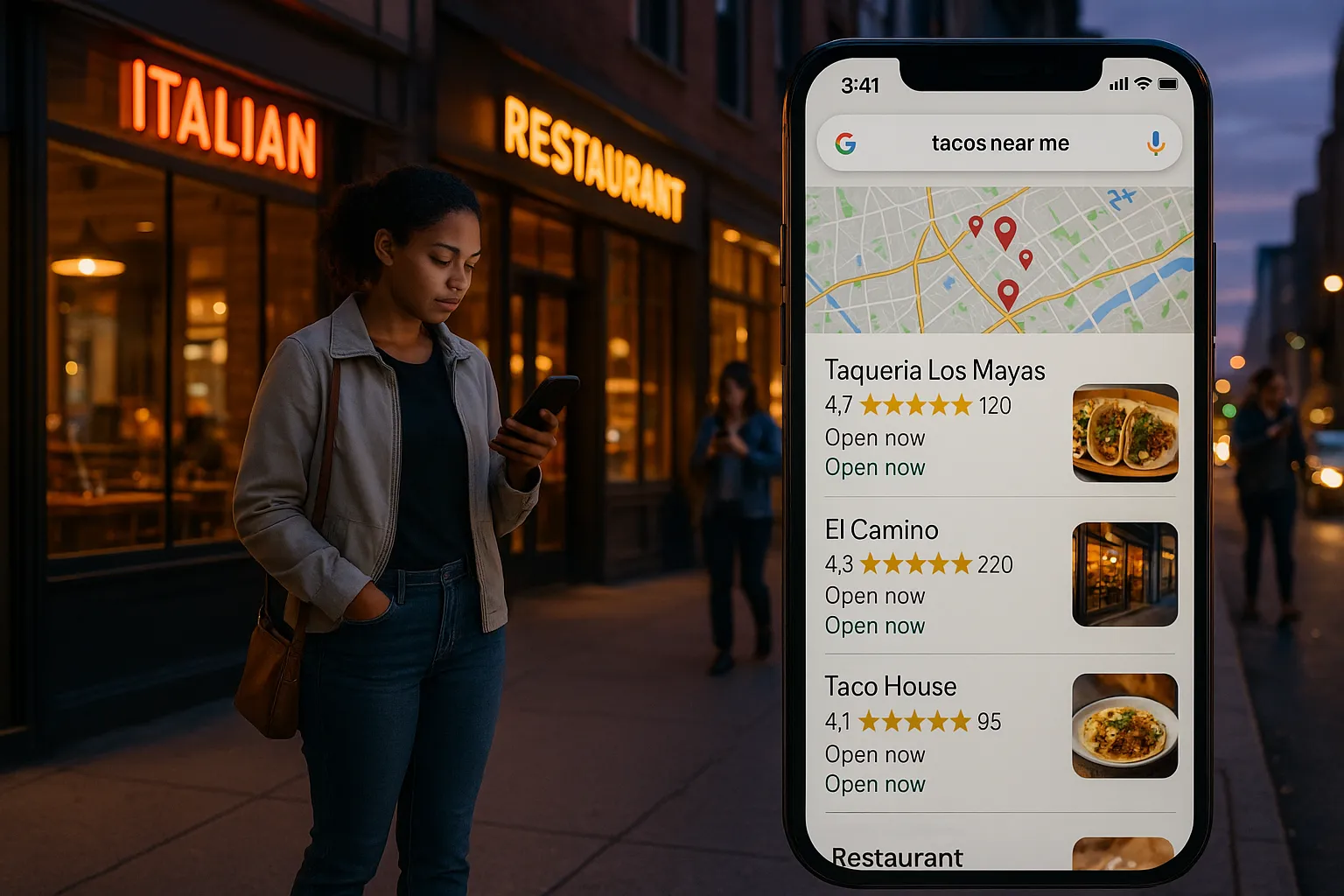
Local SEO for restaurants matters because our guests almost always start with their phones. They search “tacos near me,” “best sushi in [city],” or “late night pizza open now,” and Google does the sorting long before anyone sees our sign.
Here is why this matters for our dining room and our cash flow:
- People search locally right before they eat. Google reports that “near me” mobile searches including “can I buy” or “to buy” grew more than 500% in recent years, often within hours of a purchase. [Source: “How people discover and act on local information,” Think with Google, Google, 2019, https://www.thinkwithgoogle.com]
- Most diners pick from the first few results. BrightLocal found that 87% of consumers used Google to evaluate local businesses in 2022 and most never scroll far. [Source: “Local Consumer Review Survey 2023,” BrightLocal, 2023, https://www.brightlocal.com]
- Search now beats word of mouth. Reviews, photos, and stars on Google often carry more weight than a friend’s casual recommendation.
If we treat local SEO for restaurants as “nice to have,” we hand our tables to competitors who show above us on Maps and in the local pack.
How Google Decides Which Restaurants To Show First
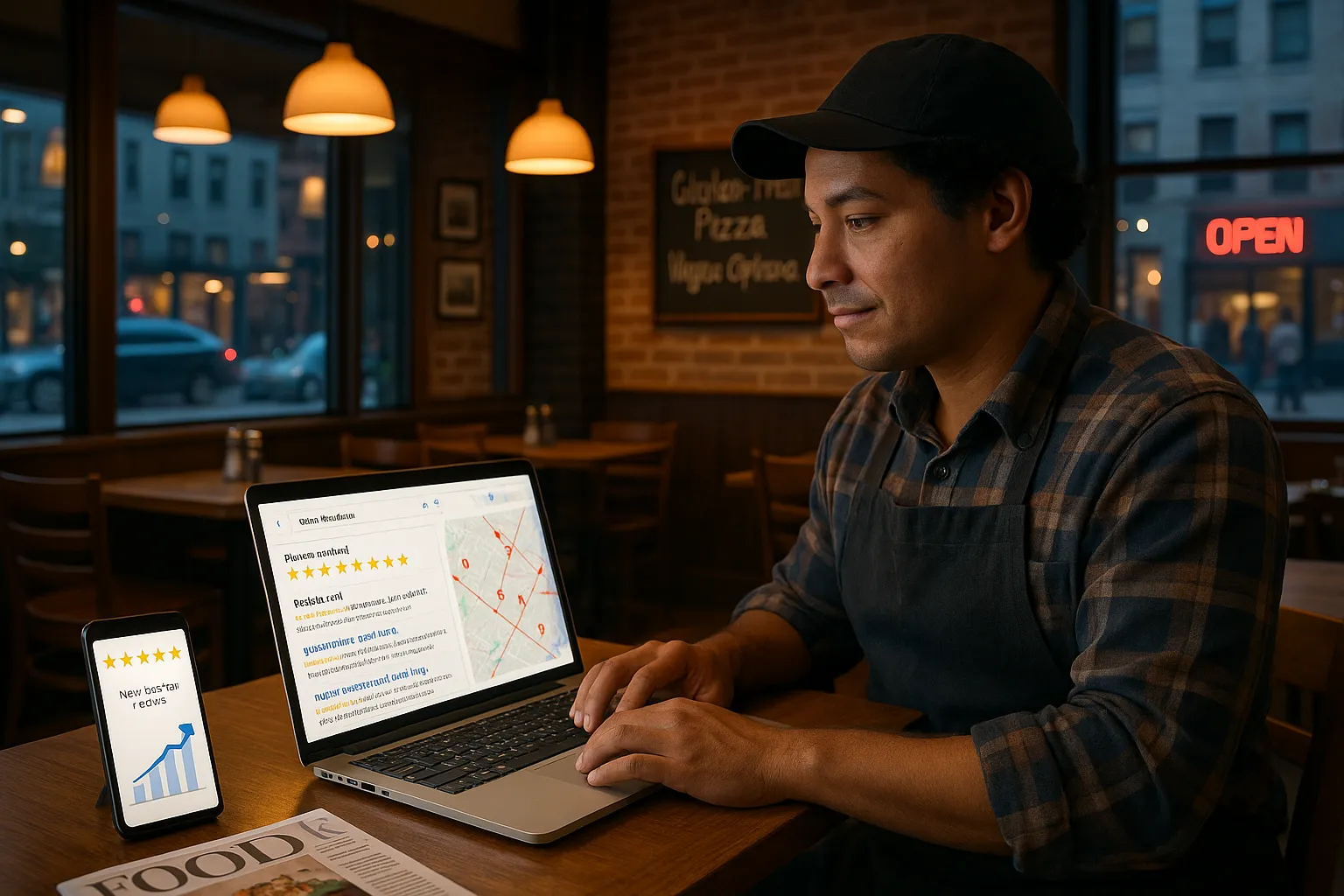
Google says it focuses on three signals for local results: relevance, distance, and prominence. [Source: “Improve your local ranking on Google,” Google Business Profile Help, Google, 2023, https://support.google.com]
Here is how that plays out for local SEO for restaurants:
- Relevance. Our listing and site must clearly match what a searcher wants. If they search “gluten free pizza,” Google looks for that phrase in our categories, description, menu, and reviews.
- Distance. Google checks how close we are to the searcher or to the city or neighborhood in the query.
- Prominence. This means how established we look online. Reviews, average star rating, links, mentions on local sites, and even article features all influence this.
Our job is simple on paper. We give Google clear signals that we are a great match for certain searches in a specific area, and we keep building online proof that real people like us.
Optimize Your Google Business Profile For Maximum Visibility
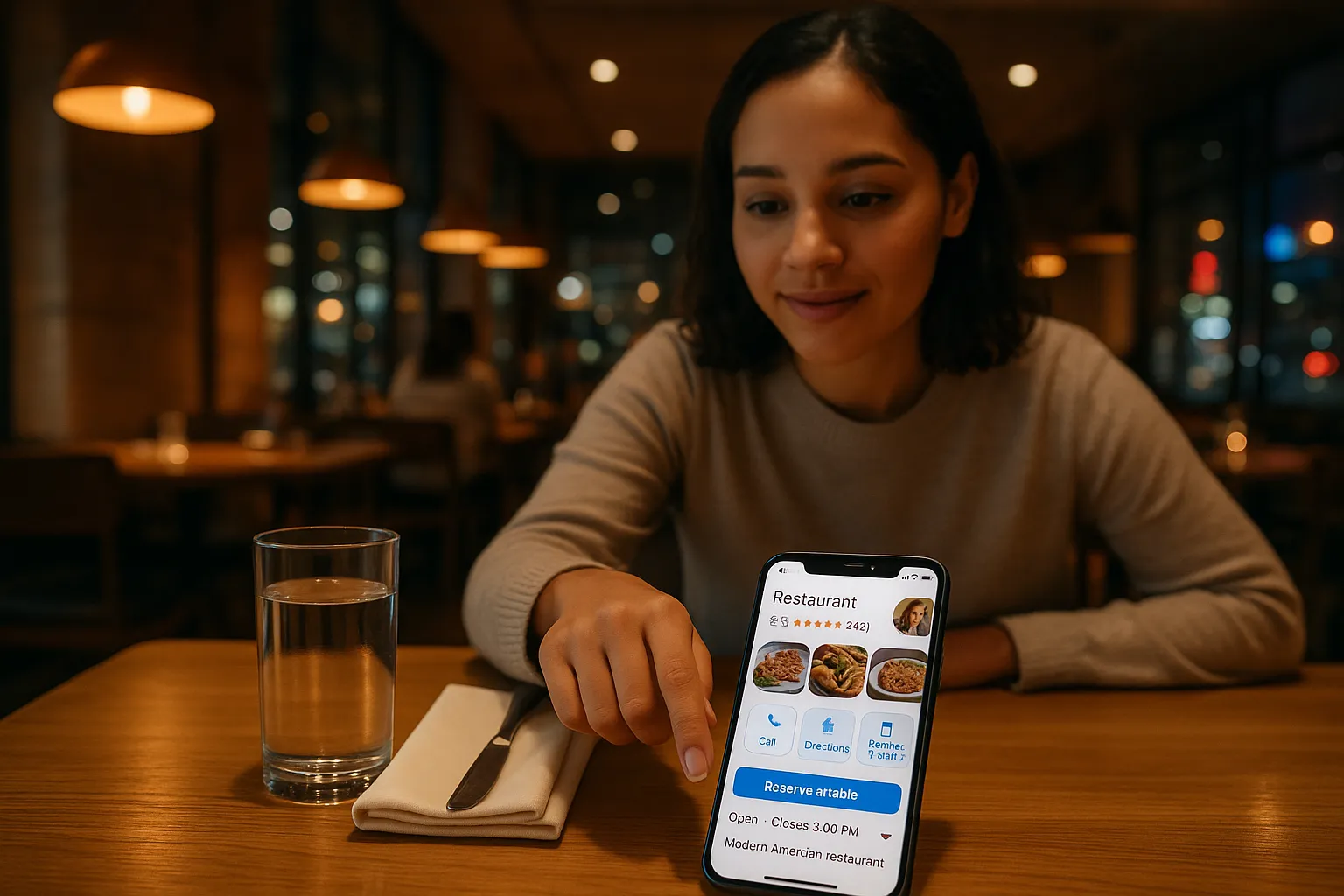
Our Google Business Profile is the front door of local SEO for restaurants. Many people will decide to book, call, or order without ever visiting our website.
Choose The Right Categories And Attributes
First, we choose the most accurate primary category. Google suggests using the most specific option that fits. Sushi Restaurant, Mexican Restaurant, Vegan Restaurant, Cocktail Bar, or Pizza Restaurant each send different signals.
Then we add supporting categories that match what we actually serve and how we operate. Examples:
- Restaurant
- Bar or Wine Bar
- Breakfast Restaurant or Brunch Restaurant
- Delivery Service or Takeout Restaurant
Attributes matter more than many owners expect. Options like “dine-in,” “takeout,” “delivery,” “outdoor seating,” “live music,” “family friendly,” or dietary notes like “vegetarian options” help us appear for long tail searches and filters.
We review these fields at least once a quarter. Menus change, hours change, services change. Local SEO for restaurants works best when our profile stays honest and current.
Write A Compelling Description And Menu Details
Our description should sound like us, not a generic template. We get 750 characters. We use them to answer three questions fast:
- What kind of restaurant are we?
- Where are we and who do we serve?
- What makes us different?
Example pattern:
“We are a family-run Italian restaurant in downtown Austin, serving wood-fired pizza, handmade pasta, and local Texas wines. Perfect for date night, group dinners, and private events. Gluten free and vegan options available.”
We also keep our menu synced. We can connect to platforms like Toast, Square, or upload a direct menu through Google. If guests see current prices, dietary notes, and clear dish names, they are more likely to choose us.
We weave our target phrases in naturally, such as “local SEO for restaurants helps us appear for Italian dinner in downtown Austin,” but we keep the language natural and guest focused.
Use Photos, Posts, And Updates To Stay Active
Google rewards signs of life. A quiet profile suggests a quiet kitchen.
We aim for:
- New food or drink photos every week
- Interior and exterior shots that show parking, patio, bar, and ambiance
- Staff photos that feel human and welcoming
- Short videos of plating, cocktails, or live events
We also use Google Posts to share:
- Specials and seasonal menus
- Live music nights or trivia
- Holiday hours and closures
All of this feeds local SEO for restaurants because fresh content, engagement, and keywords in posts help Google understand what we offer right now, not two years ago.
Fine-Tune Your Website For Local Search
Our site does not need to be huge, but it must be clear, fast, and easy to use. Think of it as the control center that backs up everything in our Google profile.
Get Your On-Page Basics Right
We start with the core pages: home, menu, about, contact, and reservations or ordering.
On each page we:
- Use our city and neighborhood in page titles and headings
- Mention our cuisine type and signature dishes
- Keep one consistent name, address, and phone (NAP) that matches our Google Business Profile
- Add schema markup for LocalBusiness or Restaurant to help search engines parse details
Moz and Google both confirm that NAP consistency and on-page signals still matter for local rankings. [Source: “Local Search Ranking Factors,” Moz, 2023, https://moz.com]
We also add a clear map embed, driving directions, and parking tips. Guests appreciate it, and it adds more local context for search.
Create Location And Menu-Focused Content
Local SEO for restaurants improves when we stop thinking only in brand slogans and start speaking our guests’ search language.
We can add:
- A “Best Happy Hour in [Neighborhood]” page
- A “Catering in [City] for Office Lunches and Events” page
- Blog posts about seasonal menus, local farms, or nearby attractions
Each page can target a specific intent, such as “birthday dinner in [city]” or “late night food near [landmark].”
If we publish content often, we can connect articles together with internal links, such as a link from a “local content marketing for small businesses” guide to our “local SEO for restaurants” resource on the same domain, or from a “restaurant social media checklist” post to a “Google Business Profile checklist.” That way our whole site supports our main local topics.
Make Your Site Fast, Mobile-Friendly, And Easy To Book
Most local traffic comes from phones. Google has confirmed mobile friendliness as a ranking signal for years. [Source: “Mobile-first indexing best practices,” Google Search Central, Google, 2023, https://developers.google.com]
We test:
- Page speed with tools like PageSpeed Insights
- Mobile layout with simple thumb tests: can guests read the menu and tap buttons easily?
- Whether online ordering and booking are obvious from the first screen
Short forms, click-to-call buttons, and clear “Reserve” or “Order Now” links reduce friction. Local SEO for restaurants gets us the visit, but a clumsy site can still lose the reservation.
Build Local Authority With Reviews, Citations, And Links
Google wants proof from other people that we are worth showing. Reviews, directory listings, and real links from local sites send that proof.
Earn And Respond To More Customer Reviews
BrightLocal reports that 98% of consumers read online reviews for local businesses in 2023. [Source: “Local Consumer Review Survey 2023,” BrightLocal, 2023, https://www.brightlocal.com]
We build a simple habit:
- Ask happy guests in person right after the meal
- Print a QR code on receipts or table tents that links to our Google review form
- Follow up by email after online reservations
We reply to every review, good or bad. We thank people by name when possible, mention a specific dish, and invite them back. When criticism appears, we stay calm, apologize if needed, and move the details to a private channel.
Keywords in reviews can support local SEO for restaurants. We never script fake reviews, but we can gently ask guests to mention what they ordered or why they picked us.
Claim Key Directory Listings And Citations
Citations are simple listings of our NAP on trusted sites. These do not bring a huge stream of traffic by themselves, but they give search engines more confidence in our information.
We focus on:
- Major platforms: Yelp, Apple Maps, Bing Places, Facebook
- Restaurant platforms: OpenTable, Resy, DoorDash, Uber Eats, Grubhub, Toast
- Local directories: city or chamber sites, tourism boards, neighborhood guides
We keep our NAP identical in every listing. No random abbreviations or old phone numbers hiding on a forgotten profile. Local SEO for restaurants depends heavily on this consistency.
Partner Locally To Attract Links And Mentions
Real local links beat random blog links from far away.
Some practical ideas:
- Sponsor a youth sports team or local event in exchange for a website mention
- Host a charity night where a percentage of sales supports a cause, and ask for a link from the charity’s event page
- Collaborate with nearby theaters, music venues, or hotels on “dinner and a show” packages
We can write a short feature about our partners on our own site and link out to them, then ask for a reciprocal mention. This gives search engines a clear picture of our place in the local scene and supports our broader local SEO hub pages, such as a detailed “local SEO for restaurants” resource or a “small business SEO checklist” on the same site.
Use Social Media And Local Ads To Support Local SEO
Social media does not replace local SEO for restaurants, but it fuels the signals that improve it.
We post real-time content on Instagram, TikTok, and Facebook: daily specials, behind-the-scenes prep, and guest moments with permission. We keep location tags on every post and use local hashtags like #[city]Eats or #[neighborhood]Food.
Paid ads on Google and social platforms can fill slow nights while our organic rankings grow. When we run Google Ads on our brand name and our best local terms, we gather data on which keywords convert. We can then fold those phrases back into our site content and Google Business Profile.
Track Results And Adjust Your Local SEO Strategy
Local SEO for restaurants is not a one-time project. It works more like our menu. We keep what sells and retire what does not.
We track:
- Phone calls and reservations from Google Business Profile
- Direction requests and map views
- Organic traffic to location pages and menu pages
- Rankings for a short list of target searches like “brunch in [city]”
Google Analytics, Google Search Console, and the Google Business Profile dashboard give us the numbers. We check them at least once a month.
If a dish keyword underperforms, we tweak the title, adjust the content, or add better photos and internal links, such as a link from a “date night ideas in [city]” blog post to our reservations page. Over time, these small changes stack up.
Conclusion
Local SEO for restaurants is really about showing up where hungry people already look and convincing them to choose us in a few seconds.
If we:
- Treat our Google Business Profile like a living storefront
- Keep our website clear, quick, and focused on real search behavior
- Earn honest reviews, consistent citations, and real local links
we set ourselves up for steady full tables, not just lucky weekends.
We do not have to do everything at once. We can start this week with better photos and a refreshed description, then move on to reviews, content, and partnerships. Six months from now, we might look back at a packed dining room and realize that local SEO for restaurants quietly became one of our strongest channels.
Local SEO for Restaurants: Frequently Asked Questions
What is local SEO for restaurants and why does it matter so much?
Local SEO for restaurants is the process of making your restaurant show up in local search results and Google Maps when people search things like “pizza near me” or “best brunch in [city].” It matters because most diners choose from the top few results—often within minutes of deciding where to eat.
How do I optimize my Google Business Profile for local SEO for restaurants?
Start with the most accurate primary category, then add supporting categories and attributes like dine-in, takeout, delivery, and outdoor seating. Write a clear, guest-focused description, keep menus updated, upload fresh photos and videos weekly, and use Google Posts for specials, events, and holiday hours.
What should be on my restaurant website to improve local search rankings?
Include core pages (home, menu, about, contact, reservations), use your city and neighborhood in titles and headings, keep name, address, and phone consistent with Google Business Profile, embed a map, add LocalBusiness or Restaurant schema, and ensure the site loads fast, works on mobile, and makes booking or ordering obvious.
How can reviews and citations help local SEO for restaurants?
Reviews and citations act as social proof for Google. Ask happy guests to review you on Google, reply thoughtfully to every review, and keep consistent NAP details across platforms like Yelp, Apple Maps, OpenTable, DoorDash, and local directories. This consistency and activity boost your local visibility and trust.
How long does local SEO for restaurants take to show results?
Most restaurants see early signs of improvement—more map views, calls, or direction requests—within 4–8 weeks if they actively optimize profiles, improve their website, and request reviews. Strong, stable rankings and a noticeable lift in reservations typically take 3–6 months of consistent local SEO effort.
Some of the links shared in this post are affiliate links. If you click on the link & make any purchase, we will receive an affiliate commission at no extra cost of you.
